
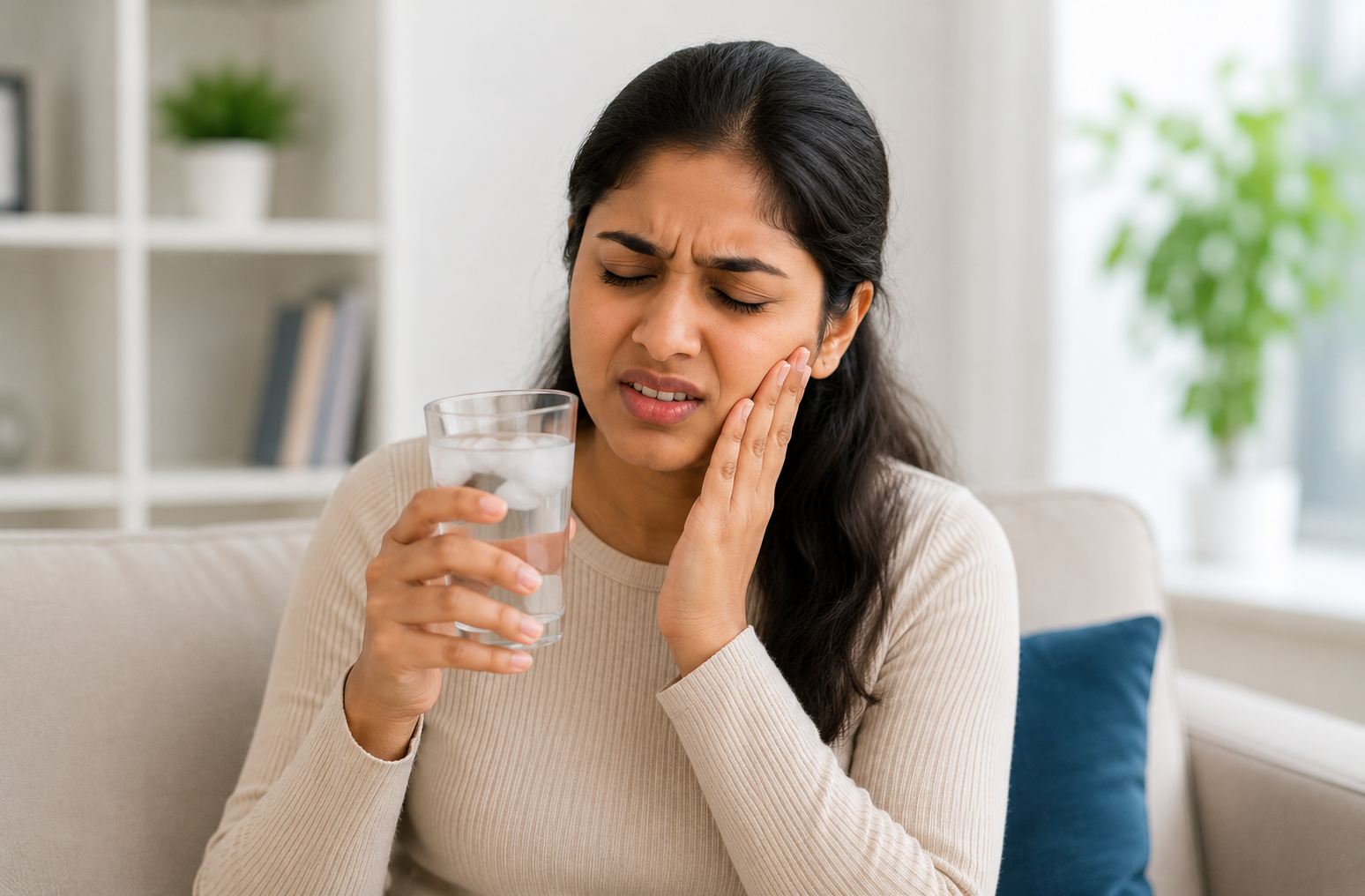
That sharp, sudden jolt when you sip something cold, bite into ice cream, or breathe in cold air is something almost everyone experiences at some point. For most people, tooth sensitivity is occasional and mild. But when that twinge becomes a regular part of your day, it stops being a minor inconvenience and starts being a signal from your body that something deeper may be going on. Understanding what causes tooth sensitivity, when it is normal, and when it is a red flag can save you from bigger dental problems down the line.
What Is Tooth Sensitivity, Really?
Tooth sensitivity, also called dentin hypersensitivity, happens when the protective enamel on your teeth wears down or when gums recede, exposing the softer layer underneath called dentin. Dentin is full of microscopic tubules that lead directly to the nerve of the tooth. When hot, cold, sweet, or acidic substances reach these tubules, they trigger a quick, sharp pain response. It is your tooth’s way of saying its protective barrier has been compromised. This response can range from a barely noticeable twinge to a sudden, intense jolt that makes you wince, and the intensity often correlates with how much dentin has been exposed and how close the irritation sits to the nerve itself.
Common Causes of Tooth Sensitivity
Sensitivity rarely appears out of nowhere. It usually builds up over time due to one or more of the following reasons:
- Enamel erosion from acidic foods, drinks, or aggressive brushing
- Gum recession that exposes the tooth root
- Cavities or decay that has reached the inner layers of the tooth
- Cracked or chipped teeth
- Teeth grinding (bruxism), especially at night
- Recent teeth whitening or dental procedures
- Old fillings that have worn out or started to leak
Is Occasional Sensitivity Normal?
A little sensitivity now and then, especially after eating something very cold or very hot, is common and usually not a cause for alarm. Many people also notice mild sensitivity for a few days after a professional cleaning or a filling. However, sensitivity that lingers, worsens, or shows up without any obvious trigger is a different story. If you find yourself avoiding your favourite foods and drinks because of the discomfort, that is a strong sign your teeth need professional attention rather than another tube of sensitivity toothpaste.
Warning Signs You Should Not Ignore
While home care can manage mild sensitivity, certain symptoms point to a problem that needs a dentist’s evaluation. Pay attention if you experience any of the following:
- Sharp pain that lasts several seconds or longer after the trigger is gone
- Pain that wakes you up at night or throbs on its own
- Sensitivity limited to one specific tooth rather than several teeth
- Visible cracks, dark spots, or holes in a tooth
- Swelling, bleeding gums, or a bad taste alongside the sensitivity
- Sensitivity that has been getting worse over weeks rather than improving
When Exactly Should You Book a Dental Visit?
If sensitivity persists for more than a week despite using a desensitising toothpaste, it is time to get it checked. A visit to a trusted Dental Clinic in Kothrud can help identify the exact cause through a simple examination and, if needed, an X-ray, so the problem can be treated before it turns into something more painful or expensive, like a root canal.
How Dentists Diagnose the Root Cause
A dentist does not simply treat the symptom, they look for the source. During your visit, the dentist will examine your teeth and gums, check for visible decay or cracks, test individual teeth for sensitivity, and may take digital X-rays to look beneath the surface. Bite tests, thermal tests, and a review of your brushing habits and diet often round out the assessment, since sensitivity is rarely caused by a single isolated factor. This thorough approach ensures the treatment plan actually addresses what is causing the discomfort instead of just masking it temporarily, which is the key difference between a quick fix and a lasting solution.
Treatment Options for Tooth Sensitivity
Depending on the cause, treatment can range from simple to more involved. Common options include desensitising agents or fluoride varnish applied directly to the affected teeth, dental bonding to cover exposed root surfaces, a gum graft for significant recession, a crown to protect a cracked tooth, or root canal therapy if the inner pulp of the tooth is affected. Choosing the right Dentist in Kothrud matters here because an accurate diagnosis leads directly to the right treatment, saving you from repeat visits and unnecessary discomfort.
Everyday Habits That Help Prevent Sensitivity
Prevention goes a long way in keeping sensitivity at bay, and most of it comes down to consistency rather than any single dramatic change. A few simple habits, practised daily, can protect your enamel and gums over the long run and reduce the chances of sensitivity creeping back.
- Use a soft-bristled toothbrush and gentle circular strokes
- Choose a toothpaste formulated for sensitive teeth
- Limit acidic foods and drinks like citrus, soda, and wine
- Wear a night guard if you grind your teeth
- Avoid brushing immediately after consuming acidic foods
- Visit your dentist for regular check-ups every six months
Why Choosing the Right Dental Clinic Matters
Not every case of sensitivity has the same cause, which is why a proper clinical examination matters more than guesswork or home remedies alone. When you search for the Best Dental Clinic in Kothrud, look for a team that takes time to understand your symptoms, uses modern diagnostic tools, and explains your treatment options clearly before recommending any procedure. A clinic that prioritises patient comfort and long-term oral health will always be a better choice than one that simply treats you and moves on to the next patient.
Meet Your Dental Care Expert
At Tooth and Co Dental Clinic, tooth sensitivity is treated as a diagnostic puzzle, not just a symptom to numb. Led by Dr. Saloni Bavalekar, the clinic focuses on identifying the true cause of discomfort and offering treatment plans tailored to each patient’s needs, using gentle techniques and modern equipment to ensure every visit is as comfortable as possible.
If you are typing Dental Clinic Near Me into your search bar because the sensitivity has become too uncomfortable to ignore, it is worth choosing a clinic that is not just nearby but also experienced in handling sensitivity-related cases with care and precision.
Patients across the area often look up Best Dentists Near Me in Kothrud, Pune when they want a second opinion or a more thorough evaluation of persistent tooth pain, and a detailed consultation is usually the fastest way to get real answers instead of temporary relief.
Whether it is a routine check-up or a nagging sensitivity issue that will not go away, being recognised as the Best dentist in Kothrud comes down to consistent results, honest communication, and genuinely listening to what patients are experiencing, rather than rushing through appointments.
Frequently Asked Questions
Q1. Why do my teeth suddenly hurt when I drink cold water?
Sudden sensitivity to cold water usually means the enamel has thinned or the gums have receded, exposing the dentin underneath. It can also indicate a small cavity or a crack, so it is best to get it examined rather than waiting for it to worsen.
Q2. Can tooth sensitivity go away on its own?
Mild, temporary sensitivity, such as after a cleaning, can settle on its own within a few days. However, sensitivity caused by decay, gum recession, or a cracked tooth will not resolve without treatment and often gets worse over time.
Q3. Is sensitivity toothpaste enough to fix the problem?
Sensitivity toothpaste can reduce mild discomfort by blocking the tubules in the dentin, but it does not address underlying issues like cavities, cracks, or significant gum recession. If sensitivity persists after two to three weeks of use, a dental check-up is recommended.
Q4. How often should I get my teeth checked to prevent sensitivity?
A dental check-up every six months helps catch enamel wear, early decay, or gum issues before they cause noticeable sensitivity, making prevention far easier and less expensive than treatment.
Q5. Does teeth whitening cause permanent sensitivity?
Whitening can cause temporary sensitivity for a few days, but it is usually not permanent. If sensitivity continues for weeks after a whitening treatment, it is worth having your dentist assess your enamel and gum health.
Book Your Consultation Today
Tooth sensitivity is your body’s early warning system, and ignoring it rarely makes it go away on its own. If cold drinks, sweet treats, or a simple breath of air have started to bother you, do not wait for the pain to get worse. Schedule a consultation with Dr. Saloni Bavalekar at Tooth and Co Dental Clinic today and get a clear, professional diagnosis along with a treatment plan built around your comfort. Call now or book your appointment online to take the first step toward pain-free smiles.