
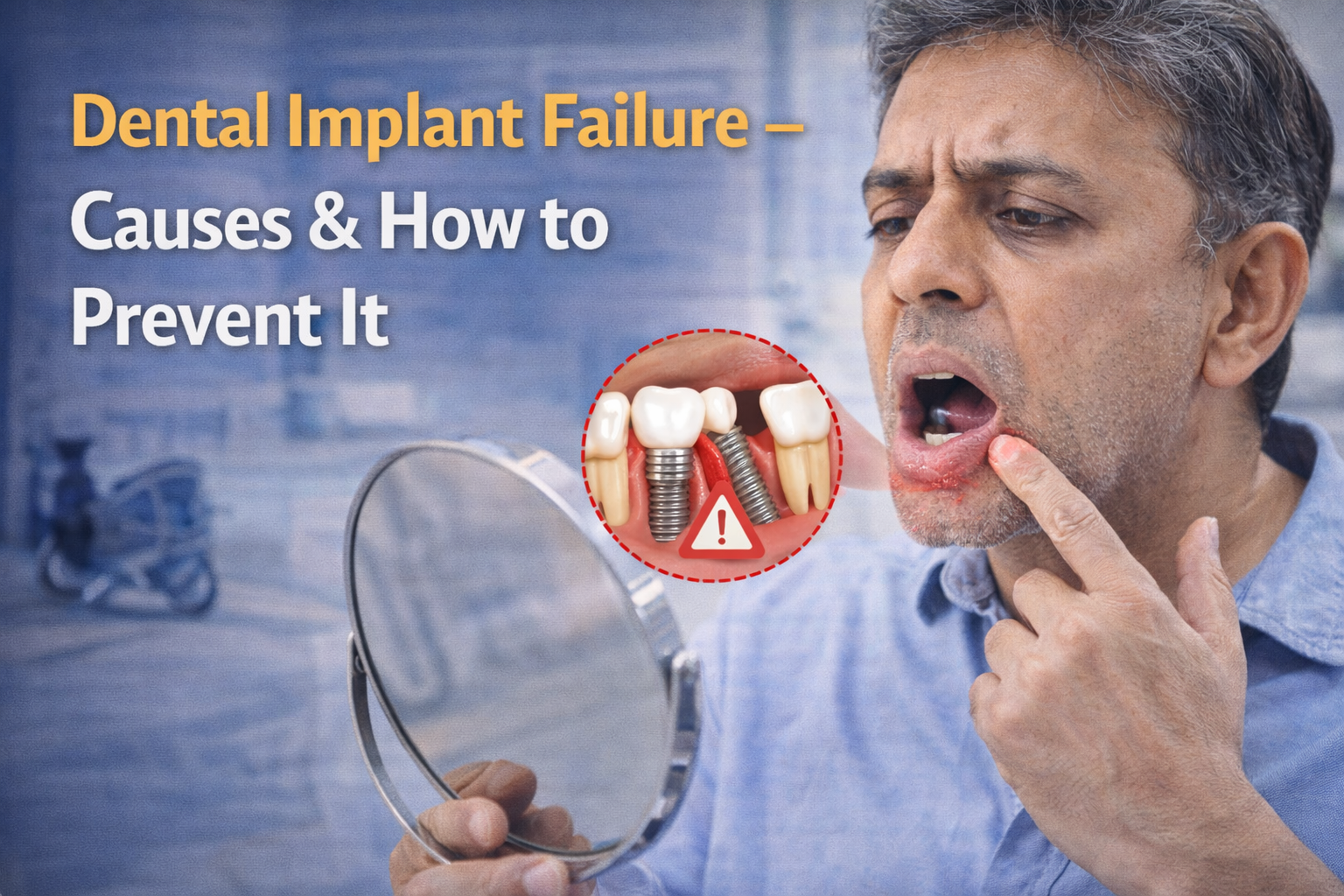
Dental implants are one of the most advanced and reliable solutions for replacing missing teeth. They restore chewing function, improve aesthetics, and preserve jawbone health. However, like any surgical procedure, there is a small risk of implant failure.
Understanding the causes and preventive measures can help ensure long-term success.
At Tooth and Co Dental Clinic, Dr. Saloni Bavalekar provides comprehensive implant evaluation and advanced treatment planning to minimize risks and maximize implant longevity.
What Is Dental Implant Failure?
Dental implant failure occurs when the implant does not properly integrate with the jawbone (osseointegration) or when complications develop after placement.
Failure can happen:
-
Shortly after surgery (early failure)
-
Months or years later (late failure)
Patients often search for the Best Dentists Near Me in Kothrud, Pune when they experience discomfort after implant placement.
Common Causes of Dental Implant Failure
1. Poor Osseointegration
For a dental implant to succeed, it must fuse with the jawbone. If the bone does not bond properly, the implant may become loose.
Risk Factors:
-
Insufficient bone density
-
Smoking
-
Uncontrolled diabetes
2. Infection (Peri-Implantitis)
Peri-implantitis is an infection of the tissues around the implant. It can cause bone loss and implant loosening.
Causes:
-
Poor oral hygiene
-
Untreated gum disease
-
Bacterial buildup
If you’re searching for a reliable Dental Clinic Near Me, ensure they provide proper implant hygiene education.
3. Insufficient Bone Support
Bone loss due to missing teeth or periodontal disease can compromise implant stability.
Advanced planning at the Best Dental Clinic in Kothrud ensures bone assessment before implant placement.
4. Poor Surgical Technique
Implant placement requires precision and expertise. Incorrect positioning can lead to failure.
Choosing an experienced Dentist in Kothrud significantly reduces surgical risks.
5. Overloading the Implant
Placing excessive pressure on a newly placed implant can disrupt healing.
This is especially important in cases involving Full mouth dental implants in Kothrud, where bite balance must be carefully designed.
6. Medical Conditions
Certain conditions increase the risk of implant failure:
-
Uncontrolled diabetes
-
Autoimmune disorders
-
Heavy smoking
-
Radiation therapy
Proper medical evaluation before treatment is crucial.
Signs of Dental Implant Failure
Recognizing symptoms early can prevent complete implant loss.
Warning Signs:
-
Persistent pain
-
Swelling or inflammation
-
Implant mobility
-
Gum recession around implant
-
Difficulty chewing
If you experience any of these symptoms, seek professional care immediately.
How to Prevent Dental Implant Failure
1. Choose an Experienced Implant Specialist
The expertise of your dentist directly impacts success rates. Patients looking for Best Dental Implants Clinic in Kothrud, Pune prioritize clinics with advanced implant technology and experience.
2. Undergo Proper Evaluation Before Treatment
Pre-treatment planning includes:
-
Digital X-rays
-
CBCT scans
-
Bone density assessment
-
Medical history evaluation
This ensures safe and predictable outcomes for Dental Implant In Kothrud procedures.
3. Maintain Excellent Oral Hygiene
-
Brush twice daily
-
Floss regularly
-
Use antimicrobial mouthwash
-
Schedule routine cleanings
Proper hygiene reduces infection risk.
4. Avoid Smoking
Smoking significantly increases implant failure risk by affecting healing and blood flow.
5. Follow Post-Surgical Instructions
After implant placement:
-
Avoid hard foods
-
Take prescribed medications
-
Attend follow-up visits
-
Maintain gentle oral care
6. Regular Dental Check-Ups
Routine check-ups detect minor issues before they become serious complications.
Can Failed Implants Be Replaced?
Yes. In many cases, failed implants can be removed, the area treated, and a new implant placed after healing.
Bone grafting may be required in some cases to rebuild lost bone structure.
Why Choose Tooth and Co Dental Clinic?
At Tooth and Co Dental Clinic, implant treatments are performed using:
-
Advanced diagnostic tools
-
Sterile surgical protocols
-
Customized implant planning
-
Evidence-based techniques
Under the expert supervision of Dr. Saloni Bavalekar, patients receive structured care designed for long-term success and minimal complications.
People Also Ask (PAA Section)
Q1. How common is dental implant failure?
Dental implant success rates are above 95%, but failure can occur due to infection or improper care.
Q2. Can dental implant failure be prevented?
Yes, proper planning, hygiene, and regular follow-ups greatly reduce the risk.
Q3. Is implant failure painful?
It can cause discomfort, swelling, or looseness in the implant area.
Q4. How long do dental implants last?
With proper care, implants can last 15–25 years or more.
Q5. What should I do if my implant feels loose?
Consult your dentist immediately to prevent further damage.
Conclusion
Dental implants are a long-term investment in your oral health. While complications are rare, understanding risk factors and preventive steps ensures better outcomes.
If you are considering implant treatment or experiencing implant-related concerns, consult Dr. Saloni Bavalekar at Tooth and Co Dental Clinic for expert guidance and advanced implant care.
Early diagnosis, professional expertise, and proper aftercare are the keys to implant success.
Address : Ground Floor Jayanand Apartment, Opp Yatri Hotel, Paud Phata, Karve Road, Kothrud, Pune, 411038
Call : 7588121144