
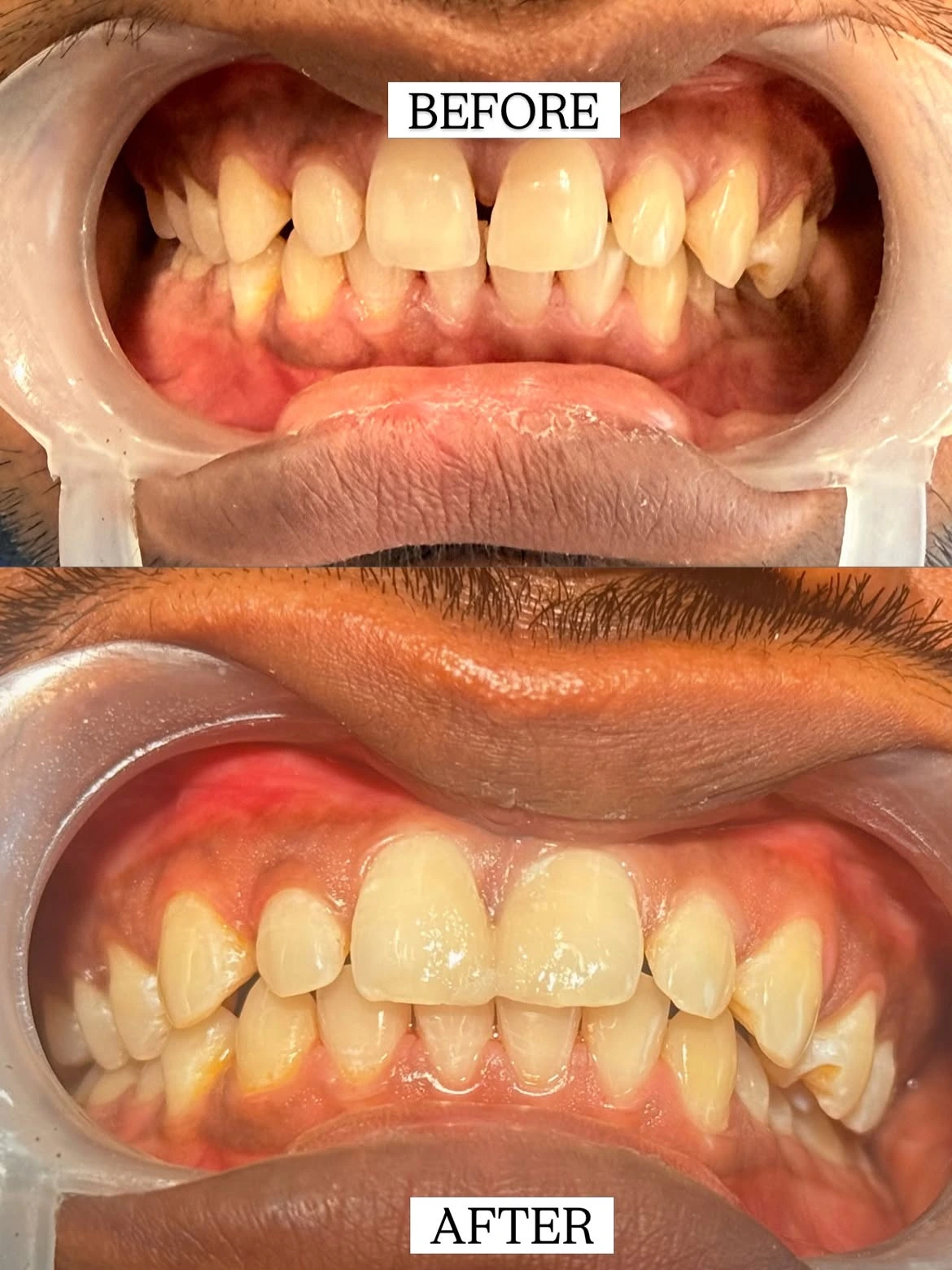
A gap between your front teeth — medically known as diastema — is one of the most common dental concerns people search for online. For some, it’s a distinctive part of their smile. For others, it’s a source of self-consciousness that affects how confidently they smile in photos, at work, or in social settings. The good news is that modern dentistry offers several safe, effective, and often minimally invasive ways to close teeth gaps, restoring both function and confidence.
If you’ve been typing “how to close teeth gaps” into a search bar late at night, you’re not alone — and you’re in the right place. This guide breaks down why gaps form, which treatments actually work, what the process looks like, and how to choose the right option for your smile. This blog has been reviewed by Dr. Saloni Bavalekar, a name trusted by patients looking for lasting, natural-looking results.
What Causes Teeth Gaps (Diastema)?
Before jumping into treatment, it helps to understand why gaps form in the first place. Common causes include:
- Genetics – Tooth size relative to jaw size is often inherited, leading to naturally spaced teeth.
- Missing or undersized teeth – When a tooth is smaller than average or missing altogether, neighboring teeth can drift apart.
- Oversized labial frenum – The small tissue band between the upper lip and gums can sometimes push front teeth apart.
- Gum disease – Bone loss from periodontal disease can loosen teeth, causing them to shift and create spacing.
- Childhood habits – Thumb-sucking, tongue-thrusting, or prolonged pacifier use can widen the gap between front teeth over time.
- Improper swallowing reflex – When the tongue pushes against the front teeth during swallowing, it can gradually create spacing.
Identifying the underlying cause matters because it directly influences which treatment will give you the most durable, natural-looking outcome.
Why Closing Teeth Gaps Matters
Beyond aesthetics, closing a diastema can offer real functional benefits:
- Improved bite alignment and chewing efficiency
- Reduced risk of food trapping between teeth, which lowers cavity and gum disease risk
- Clearer speech, since gaps can sometimes cause a slight whistle or lisp
- A noticeable boost in self-confidence and willingness to smile freely
Patients visiting a trusted Dental Clinic in Kothrud often say the confidence boost after treatment is just as meaningful as the physical change itself.
Treatment Options to Close Teeth Gaps
There isn’t a single “best” way to close a gap — the right treatment depends on the size of the gap, your oral health, and your budget. Here are the most reliable options available today.
1. Dental Bonding
Dental bonding uses a tooth-colored composite resin applied directly to the teeth on either side of the gap. The material is shaped and polished to blend seamlessly with your natural enamel. It’s fast, affordable, and reversible, making it a popular choice for smaller gaps. This approach is often recommended for Minimal gap teeth correction Kothrud patients seeking quick, budget-friendly results without altering healthy tooth structure. Under the care of Dr. Saloni Bavalekar, bonding sessions are usually completed in a single visit with immediate, visible results.
2. Porcelain Veneers
Veneers are thin, custom-made shells bonded to the front surface of your teeth. They’re ideal for patients who want to close a gap while also correcting shape, size, or shade irregularities in the same treatment. Veneers are durable, stain-resistant, and designed to mimic natural tooth translucency, offering a highly realistic finish. Many patients specifically search for Natural-looking teeth gap filling Kothrud because veneers deliver exactly that — results indistinguishable from natural teeth.
3. Clear Aligners or Braces
For gaps caused by genuine misalignment rather than just spacing, orthodontic treatment is often the most effective long-term solution. Clear aligners gradually and gently move teeth into their correct position over several months, while traditional braces work well for more complex spacing issues involving multiple teeth. This option treats the root cause of the gap, not just its appearance, and tends to offer the most stable results over time.
4. Dental Bonding with Composite Contouring
In cases where the gap is uneven or paired with slightly misshapen teeth, composite contouring combines reshaping with bonding for a balanced, symmetrical smile. This is frequently paired with minor enamel reshaping for a smoother finish.
5. Frenectomy (for Frenum-Related Gaps)
If an oversized labial frenum is the root cause, a simple, quick in-office procedure called a frenectomy can release the tissue, often followed by orthodontic treatment to close the resulting space permanently.
6. Dental Crowns or Bridges
For gaps caused by missing teeth, crowns or bridges restore both function and appearance by filling the space with a permanent, natural-looking restoration.
How to Choose the Right Treatment
Choosing between these options isn’t something to decide alone — it requires a professional evaluation of your bite, gum health, and aesthetic goals. This is where an experienced clinician makes all the difference. As the Best dentist in Kothrud, Dr. Saloni Bavalekar takes time to assess each patient’s unique dental structure before recommending a treatment plan, ensuring the solution is both effective and long-lasting.
A good rule of thumb:
- Small gaps, healthy teeth → Bonding or minor contouring
- Gaps with shape/shade concerns → Veneers
- Multiple gaps or misalignment → Aligners or braces
- Gap from a missing tooth → Crown, bridge, or implant
- Frenum-related gap → Frenectomy plus orthodontics
What to Expect During Treatment
Most gap-closure procedures at a well-equipped Dentist in Kothrud follow a similar pattern: an initial consultation and imaging, a discussion of treatment options and expected timelines, the procedure itself (ranging from a single visit for bonding to several months for orthodontics), and a follow-up review to check fit, bite, and polish. Sedation is rarely needed for bonding or veneers, and recovery is typically immediate — you can eat and speak normally within hours.
Cost Considerations
Treatment cost varies based on the method chosen, the number of teeth involved, and the complexity of the case. Bonding is generally the most affordable option, veneers sit in the mid-to-premium range due to their durability and customization, and orthodontic treatment is priced based on treatment duration and technology used (traditional braces vs. clear aligners). A consultation at a reputable Dental Clinic In Kothrud Pune will give you a transparent, itemized estimate before you commit to any procedure.
Aftercare Tips for Long-Lasting Results
- Avoid biting down on hard foods like ice or hard candy, especially after bonding or veneers
- Maintain a consistent oral hygiene routine with regular brushing and flossing
- Wear a retainer as advised if you’ve undergone orthodontic treatment
- Schedule routine dental check-ups every six months to monitor results
- Avoid habits like nail-biting or pen-chewing that can chip bonded or veneered surfaces
Following these steps helps preserve your investment and keeps your smile looking its best for years.
Frequently Asked Questions (FAQs)
Q1. Is closing a teeth gap painful?
Most procedures like bonding and veneers are painless and require no anesthesia. Orthodontic treatment may cause mild, temporary discomfort as teeth shift.
Q2. How long does it take to close a gap?
Bonding and veneers are often completed in one to two visits. Orthodontic treatment typically takes anywhere from a few months to over a year, depending on the case.
Q3. Will the gap come back after treatment?
With proper aftercare and retainer use (if orthodontics were used), results are generally long-lasting. Regular dental visits help catch and address any changes early.
Q4. Can I close a gap without braces?
Yes. Small to moderate gaps can often be closed with bonding or veneers, both of which avoid the need for braces or aligners entirely.
Q5. Is diastema closure covered by insurance?
Coverage depends on whether the treatment is deemed cosmetic or medically necessary. It’s best to check directly with your provider and clinic.
Ready for a Gap-Free, Confident Smile?
A gap between your teeth doesn’t have to hold your smile back. With the right treatment plan and an experienced hand guiding the process, closing a diastema can be simple, comfortable, and completely transformative. Whether you need minor bonding or a more comprehensive orthodontic plan, personalized care makes all the difference. Trust your smile to a name patients rely on — Dr. Saloni Bavalekar at Tooth and Co Dental Clinic — for expert guidance and results that look and feel natural.
Book your consultation with Tooth and Co Dental Clinic today and take the first step toward the confident, gap-free smile you deserve. Our team, led by Dr. Saloni Bavalekar, is here to walk you through every option, answer your questions, and design a treatment plan tailored to your smile goals.
Call us or visit Tooth and Co Dental Clinic now to schedule your appointment and start your smile transformation.